How Often Should Businesses Shred Old Hard Drives?
In today’s data-driven environment, protecting sensitive information goes far beyond cybersecurity software. Physical devices like hard drives can pose a major risk if they are not properly destroyed. Secure Shredding and E-recycling provides hard drive destruction services that permanently eliminate data and protect businesses from breaches. The question is not if you should shred old hard drives, but how often.
Why Regular Hard Drive Destruction Matters
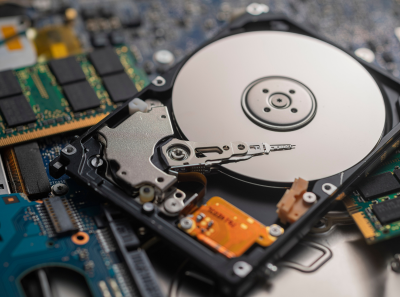
Hard drives store critical business data, including financial records, employee information, and client files. Old hard drives retain data even after files are deleted, which creates a risk of unauthorized access. Without proper destruction, that data can be recovered and misused.
Businesses that implement a consistent destruction schedule reduce exposure. Regular hard drive shredding protects sensitive information and ensures compliance with data privacy laws.
Key Factors That Determine Shredding Frequency
1. End of Device Lifespan
All hardware has a lifecycle. Hard drives reach the end of their lifespan and require secure destruction to prevent data recovery. Traditional hard drives typically last three to five years, while solid-state drives may last longer.
Once a device is no longer reliable, it should not be stored or discarded casually. End-of-life devices should be physically destroyed to eliminate data risk.
2. Volume of Devices Your Business Uses
The size of your organization plays a major role. Businesses with higher data volumes generate more hard drives that require secure destruction. Larger organizations may need scheduled services, while smaller businesses may shred less frequently.
Regardless of size, consistency is key. A structured destruction schedule ensures no devices are overlooked or improperly disposed of.
3. Sensitivity of Stored Data
Not all data carries the same level of risk. Highly sensitive data requires more frequent and immediate destruction when devices are retired. Industries like healthcare, finance, and legal services must be especially vigilant.
Data exposure can happen in multiple ways. Unsecured devices increase the risk of breaches through theft, internal mishandling, or unauthorized access.
4. Hardware Upgrades and IT Refresh Cycles
Technology evolves quickly, and businesses regularly upgrade systems. Hardware upgrades create opportunities to securely dispose of outdated hard drives.
Instead of storing old devices, businesses should act immediately. Upgrading IT equipment should trigger secure hard drive destruction to prevent data retention risks.
5. Legal and Compliance Requirements
Regulations play a critical role in determining disposal frequency. Data protection laws require businesses to securely destroy sensitive information to remain compliant.
Examples include:
- HIPAA requires healthcare organizations to protect patient data.
- GLBA requires financial institutions to safeguard consumer information.
- NAID AAA standards require secure destruction processes for data-bearing devices.
Failing to meet these standards can lead to serious consequences. Non-compliance with data destruction laws results in fines, legal risk, and reputational damage.
What Is the Best Shredding Schedule?
There is no one-size-fits-all answer, but there are best practices. Businesses should align hard drive destruction schedules with device lifecycle, data sensitivity, and compliance requirements.
Common approaches include:
- Quarterly shredding for organizations with moderate device turnover
- Annual shredding for smaller businesses with limited hardware changes
- Ongoing or event-based shredding tied to IT upgrades or cleanouts
Working with a professional provider simplifies the process. Secure Shredding and E-recycling helps businesses create customized destruction schedules based on operational needs.
Secure, Certified Hard Drive Destruction
Not all destruction methods are equal. Physical shredding destroys hard drives into unrecoverable pieces, ensuring complete data elimination. This is the most secure and compliant method available.
Secure Shredding and E-recycling follows strict industry standards. Certified destruction services include chain-of-custody tracking and Certificates of Destruction for audit documentation.
Learn more about secure data destruction and electronics recycling:
https://secureshreddingandrecycling.com/electronics-recycling/
Our Service Areas Across the Southeast
Secure Shredding and E-recycling operates across a wide regional footprint to support businesses with secure shredding and data destruction services. Secure Shredding and E-recycling serves businesses throughout Louisiana, Texas, Florida, Alabama, Mississippi, Tennessee, and Georgia. Our service areas include Baton Rouge, New Orleans, Lafayette, Lake Charles, Alexandria, Monroe, and Shreveport; Houston, Dallas-Fort Worth, Austin, San Antonio, Northeast Texas, Sulphur Springs, and New Braunfels; Tallahassee, Jacksonville, Orlando, Tampa, St. Petersburg, Gainesville, Bradenton, Sarasota, and the Florida Panhandle; Birmingham, Huntsville, Mobile, and Montgomery; Jackson and the Mississippi Gulf Coast; Nashville; and select markets across Georgia. Our regional coverage ensures consistent, reliable service with local routing and responsive scheduling.
Protect Your Business with the Right Schedule
Hard drive destruction is not a one-time consideration, it is an ongoing security strategy. Secure Shredding and E-recycling provides reliable hard drive destruction services that help businesses protect data and maintain compliance. Whether you need a one-time purge or a recurring schedule, having a plan in place ensures your information stays secure.
Call Us Today! 1-(833) 747-3399 or request a quote online:
https://secureshreddingandrecycling.com/contact/


